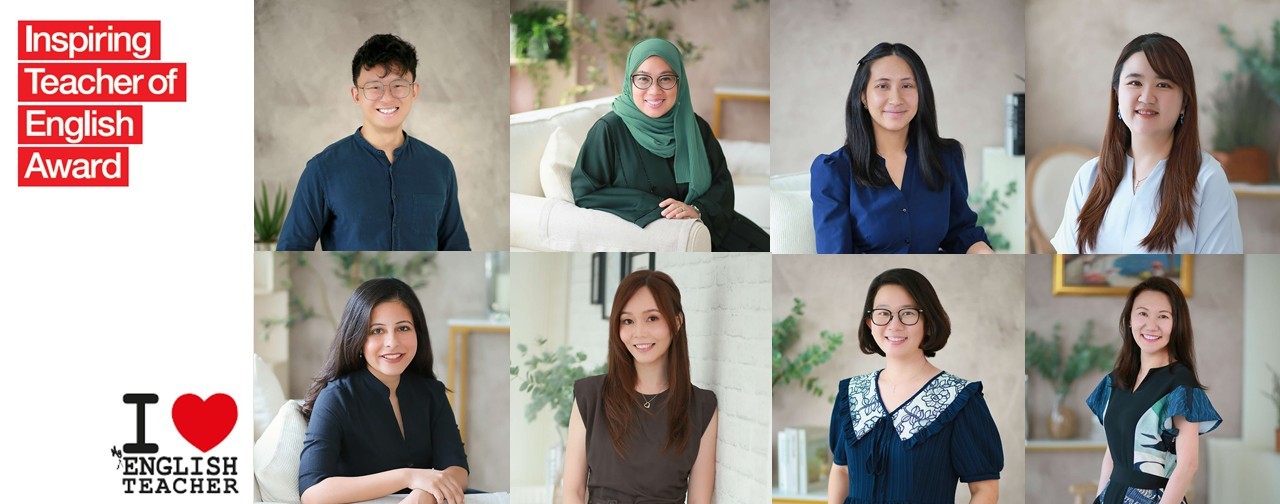
Winners of the 2026 Inspiring Teacher of English Award
Congratulatory Speech by Dr Syed Harun Alhabsyi
Senior Parliamentary Secretary, Ministry of Education & Ministry of National Development
Press Release for Inspiring Teacher of English Award 2026
ITEA 2026 - Teaching Award Category
Primary School Category
Mr Pang Wen Kang Benson
Jurong West Primary School

I think learning is a process of sense-making. People, places and circumstances constantly change. What will help us navigate change? It is our confidence that comes from understanding ourselves and the world by developing the courage to think, ask and explore boldly.
Driven by the belief that language learning flourishes in an atmosphere of open-ended inquiry, I strive to inspire my students to embrace curiosity. I keep my lessons open-ended. While I know where to start and what I want my students to learn, I do not know how exactly the lesson will unfold – and that is what excites me daily. The richest realisations in my classrooms do not always come from adhering to the lessons I have scripted in my head, but from the curiosities that arise when my students and I think aloud together.
I strive to embody this spirit of brave sense-making in my own professional learning too by making sense of who I am in relation to my role. I enjoy expanding my capacity through diving into different contexts and exploring new frontiers to inquire deeply into my identity as a teacher.
Mdm Rafidah Bte Ridzuan
Tampines North Primary School
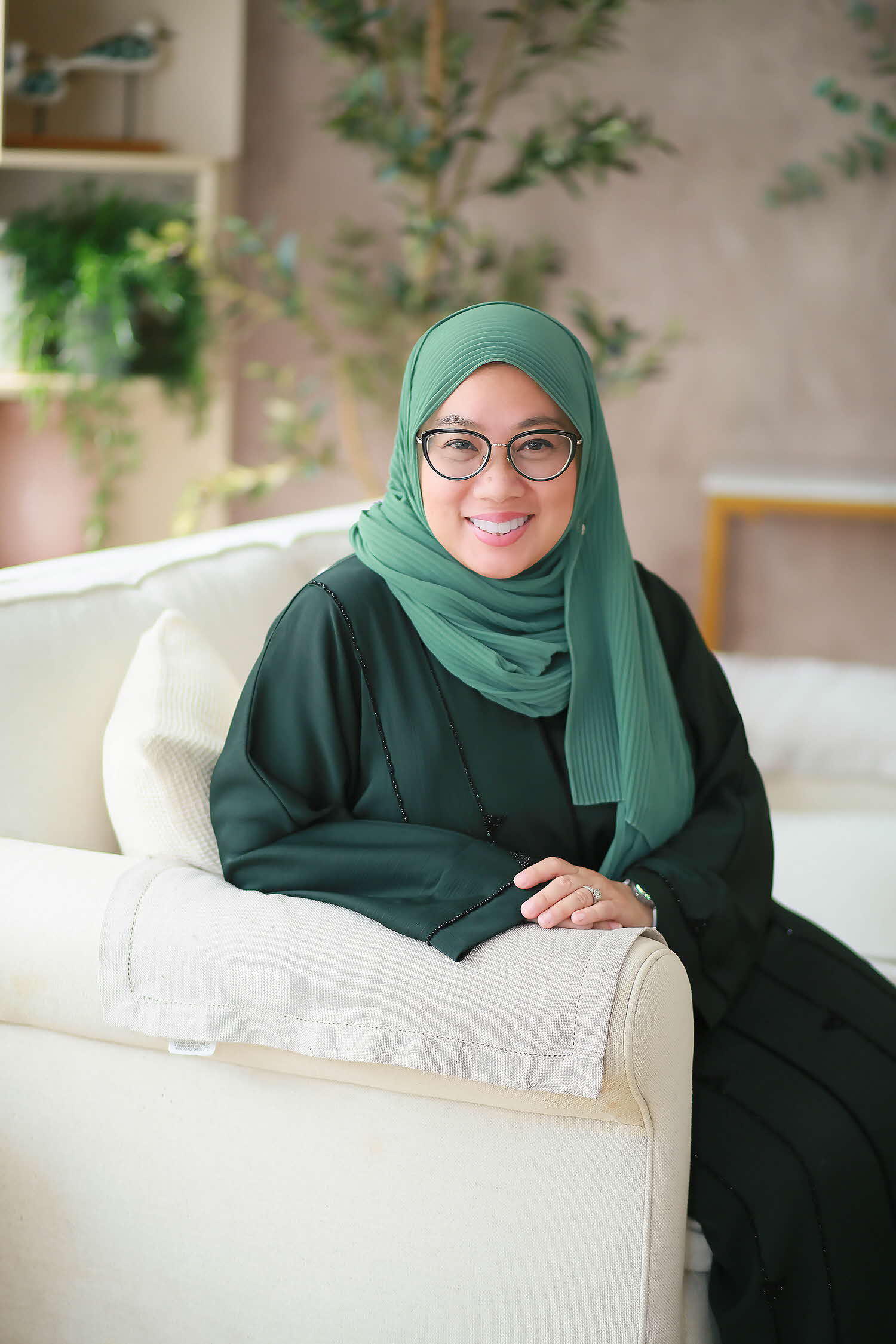
Laughter and fun are at the heart of what I do in my classrooms because I believe children learn best when they find joy in learning. I also believe that every child can learn and wants to learn. For me, teaching begins with knowing my learners and finding ways for each child to experience that precious feeling of, “I can do this!” Through authentic, play-based learning, I bring the English Language to life beyond the textbook, while helping children find their voice.
One of my most memorable experiences happened during the COVID-19 pandemic, when our Learning Journey to Pasir Ris Park was cancelled. Despite the restrictions, I wanted learning to remain interesting for my students. To bring their writing of personal recounts to life, I transformed our school garden into a nature trail by placing pictures of animals among the trees and bushes. Wearing animal masks, my students and I imagined ourselves exploring a jungle, turning an ordinary lesson into a vivid learning experience.
What keeps me passionate about teaching English is witnessing small victories such as a hesitant child finding the courage to speak, or a struggling reader making a breakthrough in reading. As language and learning continue to evolve, I believe the joy of learning must remain at the heart of what teachers do. That joy inspires my students and keeps me learning and growing alongside them.
Secondary School Category
Ms Chiu Yee Qian Millie
Crescent Girls’ School
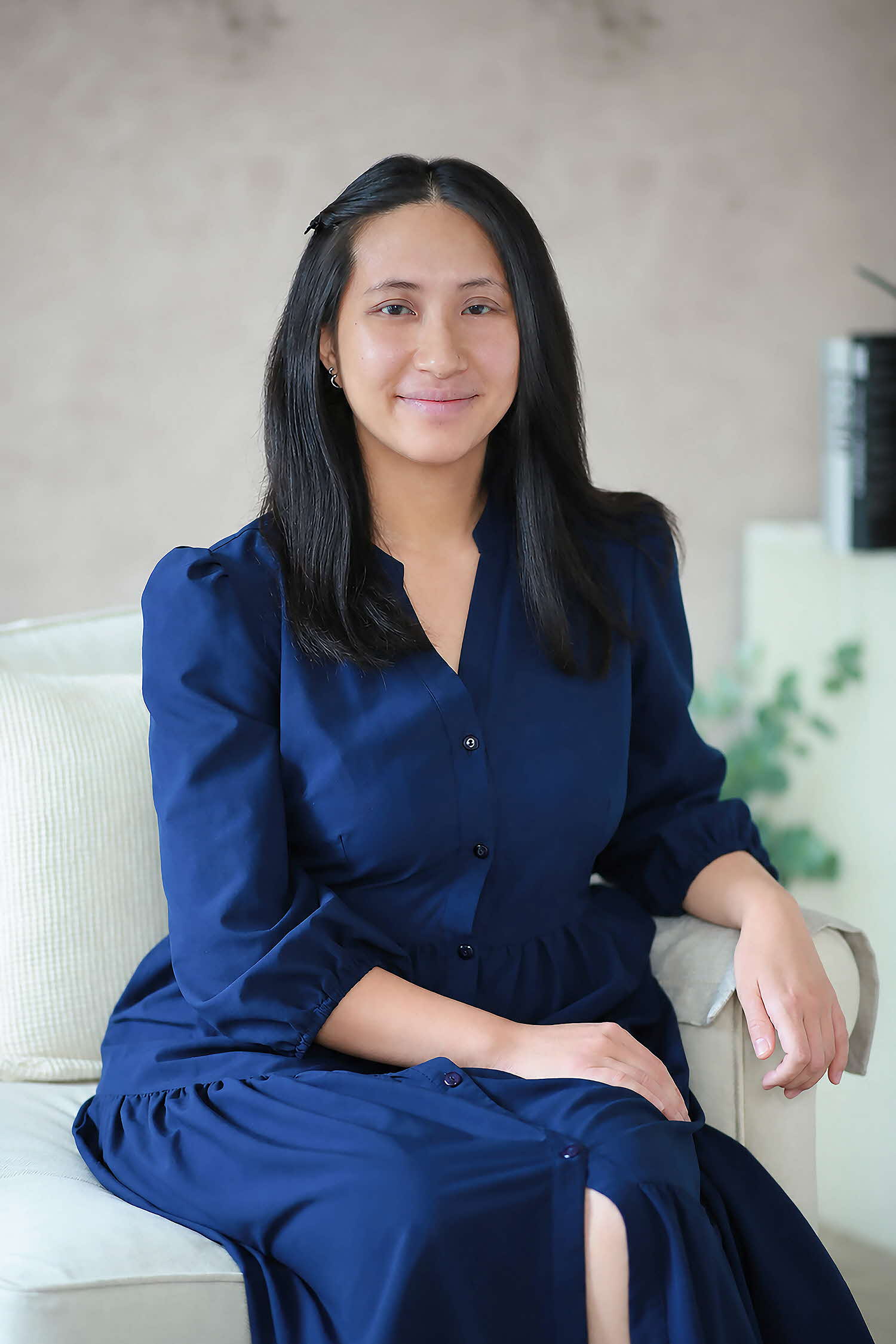
As a teacher of English Language and Literature, I see language both as a way to enter the world and a means to navigate it.
The convenience of contemporary life often means that students expect a seamless experience when it comes to learning but I hope to offer a different perspective: teaching students to value friction. Language is hardly straightforward — it holds cultures, histories, and many contradictions — but it is this quality that invites possibility and change.
I often remind my students that borrowing the words of others cannot help them speak their truths and that the work of agonising over how to best convey our inner worlds to others is, at its heart, what makes us human.
Witnessing my students’ growing confidence in giving voice to their own thoughts and ideas moves me deeply and never gets old. The search for, appreciation of, and creation of meaning are gifts of language. Helping my students experience these gifts is a beautiful privilege that I do not and will not take for granted.
Ms Foo Khim Youn Justina
St. Anthony’s Canossian Secondary School

Throughout my years in teaching, I endeavour to equip my students with skills that extend beyond the classroom. Leveraging tools in SLS, for instance, I differentiate my instruction to meet my students’ learning needs and nurture their interest in learning. I also design lessons that model responsible AI use, guiding students to critically evaluate AI-generated responses for accuracy and prevent cognitive offloading. In an increasingly AI-driven world, critical
thinking remains an essential life skill.
My greatest motivation is making a difference for students who simply need someone to believe in them. I once taught a Secondary 3 student who had laterally transferred into my class; her behaviour initially masked her true abilities. By consistently affirming her efforts and patiently rebuilding her confidence, she was motivated to learn the language and realise her full potential.
Beyond the classroom, I champion professional collaboration. Rejecting the saying “if it isn’t broken, don’t fix it”, I role-model a willingness to experiment with new teaching approaches and strategies, encouraging my colleagues to do the same, even if success is not immediate.
Junior College and Centralised Institute Category
Ms Sasha Kaur Dhillon
Temasek Junior College
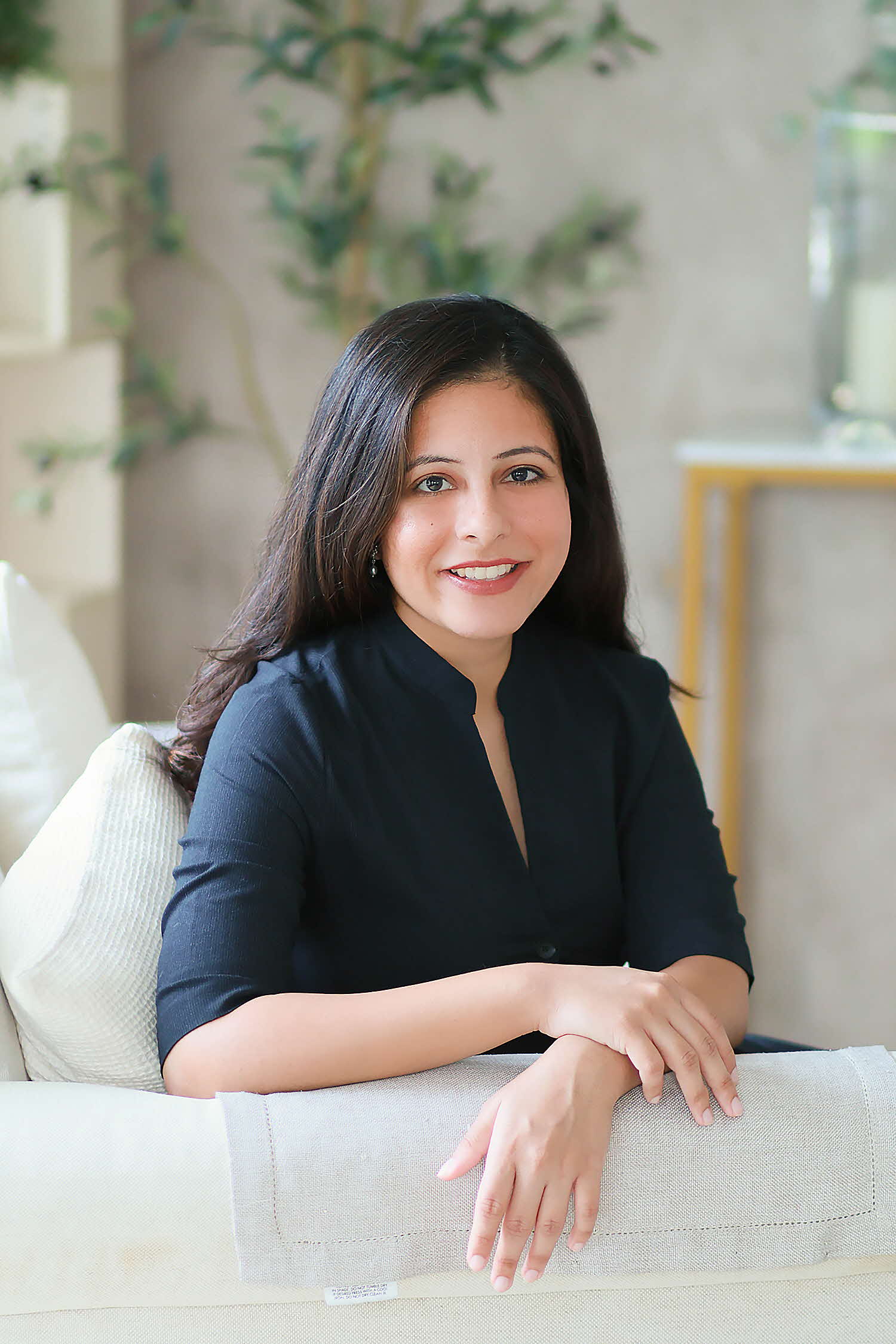
Every student has a unique voice, and our role is to help them find it and make it heard. In an age increasingly shaped by AI, this matters more than ever. I want my students to use technology thoughtfully without outsourcing the essential work of wrestling with ideas, and instead refine their own thinking and discover perspectives only they can offer.
This philosophy drives my use of Dialogic Talk in the classroom, where my students question, challenge and build on one another’s ideas. I cherish seeing quiet students grow into confident contributors. One of my most rewarding moments was when a class previously known for its pin-drop silence asked to extend a lesson because they had “one last point” to add. Such moments remind me why I want my students to trust the value of their own thinking.
I also strive to make the learning of English authentic and rooted in lived experience. My “Singapore A–Z” inquiry project sent students into local contexts to interview residents about issues that mattered to them. Returning to class, they moved beyond memorised statistics, drawing on lived perspectives to challenge assumptions and build nuanced arguments. What motivates me most is seeing my students find their voice and use it with courage, empathy and purpose beyond the classroom.
ITEA 2026 - Leadership Award Category
Primary School Category
Ms Lin Weijia Amanda
Kranji Primary School

As a teacher and Head of Department (HOD) of English Language, I consider language learning as more than mastering a subject. It is a powerful means of developing character, competencies and a lifelong love for learning. In a world of multimodal communication, I endeavour to have my students appreciate the richness of language and use it confidently to make sense of the world around them. Together with my team, I designed a school-based English Language curriculum that deepens students’ 21st Century Competencies while strengthening their language mastery.
Some of my most memorable lessons were those in an oracy unit on “e-Books versus Physical Books” for my Primary 6 students. Through blended learning, students explored articles, engaged in structured discussions and participated in a mini debate. They then assumed a role of their choice, such as a student, librarian or bookstore owner, and demonstrated their learning through persuasive writing, speeches and role-play. What made the lesson particularly rewarding was seeing students express their views with confidence while listening respectfully to differing opinions.
The greatest joy of teaching comes from witnessing my students grow into confident communicators and thoughtful learners. Their curiosity, growth and willingness to engage with ideas motivate me to continually innovate and deepen my practice as a teacher and a leader. It is this sense of purpose that inspires me to support every student in developing the skills, knowledge and values needed to thrive in an ever-changing world.
Secondary School Category
Ms Zheng Kankan
Maris Stella High School (Secondary)
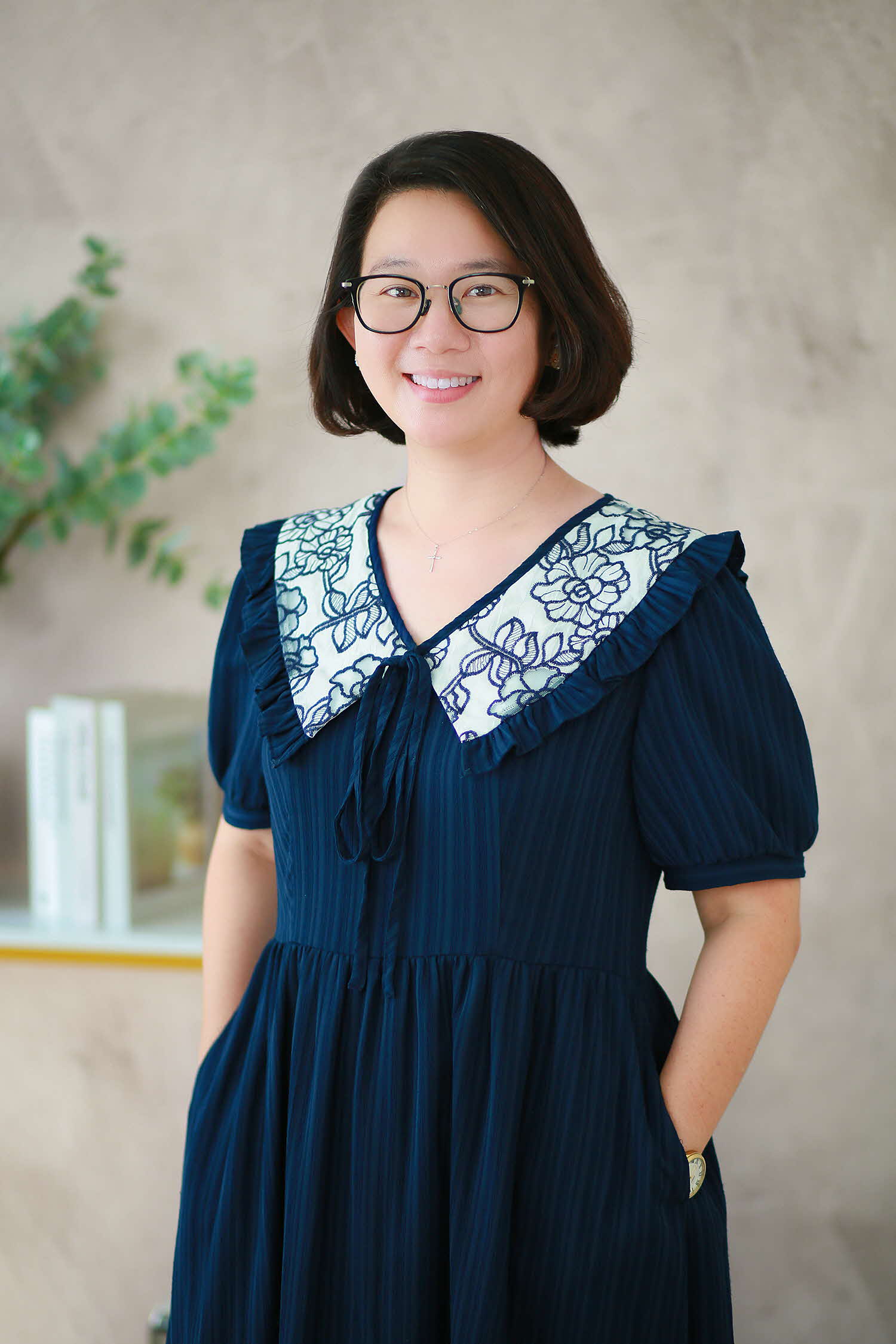
In a world reminiscent of the dystopian novel Fahrenheit 451 in which screens flicker endlessly and attention is consumed by fleeting content, reading is fast becoming an endangered pastime. This compels me to explore with my students the beauty of literature — books that serve as mirrors and windows, reflecting our lives while opening our eyes to the experiences of others. Through literature, students appreciate the complexities of the human condition and cultivate the empathy our world needs.
One memorable experience in my journey was watching unmotivated students find their voice through classroom debate. Students, who were normally reserved, rose to the challenge, surprising me with their agility of thought, eloquence, and insight. This was a humbling reminder that students possess hidden depths, and that our role as educators is to believe in their potential unreservedly.
As a curriculum leader, my philosophy is to lead with expertise while encouraging growth through collaboration. Effective leadership rests on subject mastery and strong relationships. By deepening my own subject content and pedagogical knowledge, I can contribute credibly to professional dialogue. I lead by example, embracing innovation and working alongside colleagues in resource development. By fostering collaboration, trust, and shared reflection, I help teachers learn together, strengthen collective efficacy, and achieve better outcomes for students.
Junior College and Centralised Institute Category
Ms Wong Sui Lee
St. Andrew’s Junior College
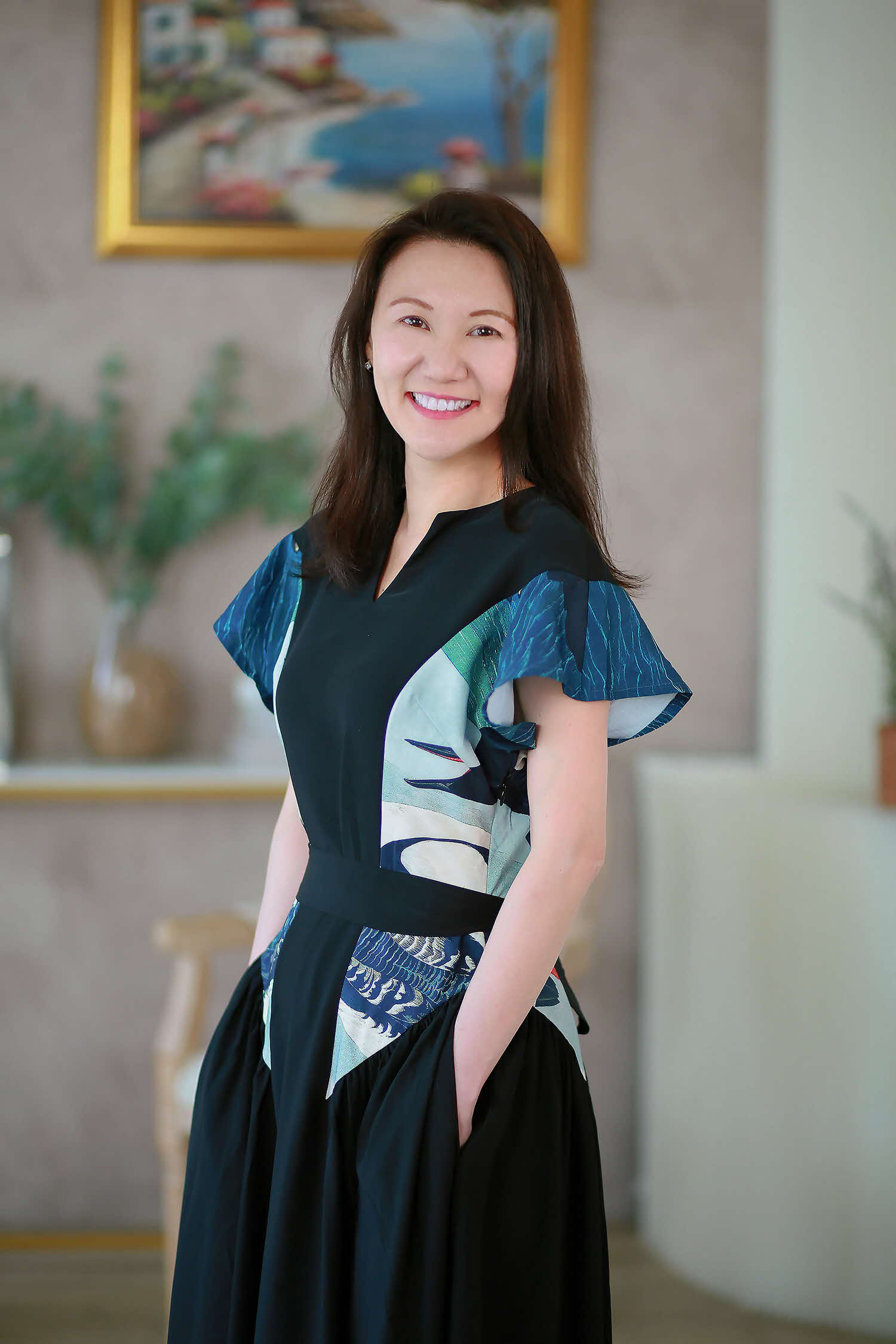
I became a teacher of General Paper because I am fascinated by the power of words: how “perhaps” can soften an argument, how “home” conveys a deeper meaning than “house”, and how the stories we tell shape the lives we live. In every General Paper lesson, I hope to help students discover this profound influence for themselves.
My most memorable lesson grew from a simple question: Whose Singapore are we describing? I wanted students to see that the country they live in is also one they write into being – narrated by textbooks, news headlines, their grandparents. We began with the Merlion, traced the official account of our past, and arrived at Singaporeans’ aspirations, including their own. Students brought into their discussions what they had been told, what they had read, and what they were still making sense of. The lesson became theirs in a way I could not have engineered alone.
As Head of the English Language Department, I lead the way I teach: listening before deciding, asking better questions rather than providing answers, and giving colleagues the space to take ownership. I am proud that our department has built learning experiences that empower students to take ownership of their learning — moving them from passive recipients to active contributors.